Huxayu Vecelu
Home Our Approach Availability Resources Contact

Foraging Education, Region by Region

Learn to Read the Landscape Before You Ever Taste It

Huxayu Vecelu is a self-paced learning resource for people who want to understand wild edible plants across US regions: how to identify them carefully, harvest them responsibly, and prepare or preserve them at home. Every lesson is built around caution, cross-checking and respect for the land.

Education first. Identification is never assumed.

Wild plants do not come labeled. A useful foraging education spends most of its time on doubt, not confidence: how to notice a look-alike, when to walk away from a patch, and why one confirmed feature is never enough on its own. That is the posture this resource takes toward every plant it covers.

Nothing on this site replaces hands-on verification with multiple reliable sources, and it is not a substitute for formal botanical training or certification. Content here is educational and general in nature.

What the Curriculum Covers

Five connected areas, taught in sequence so that identification always comes before harvesting, and harvesting always comes before preparation.

Plant Identification

Working through leaf shape, growth habit, bark texture, bloom timing and habitat context together, rather than relying on any single trait. Lessons highlight common toxic look-alikes side by side with the edible species they resemble.

Ethical Harvesting

How much to take, when to leave a patch untouched, and how to check land ownership and permission before cutting anything. Harvesting practices that keep a wild population healthy for the next season and the next forager.

Preparation Methods

Cleaning, sorting and cooking approaches for different plant parts, plus notes on which species need heat or specific handling before they are reasonable to eat.

Basic Preservation

Drying, freezing and simple infusions for extending the useful life of foraged ingredients, along with storage practices that reduce spoilage and contamination risk.

Regional & Seasonal Timing

Coverage organized by US region and by season, because the same species can appear at different times and in different forms depending on where you are.

Regional Guides Across the US

Terrain, climate and plant communities shift dramatically from coast to coast. Regional guides are built separately rather than as one generic national list.

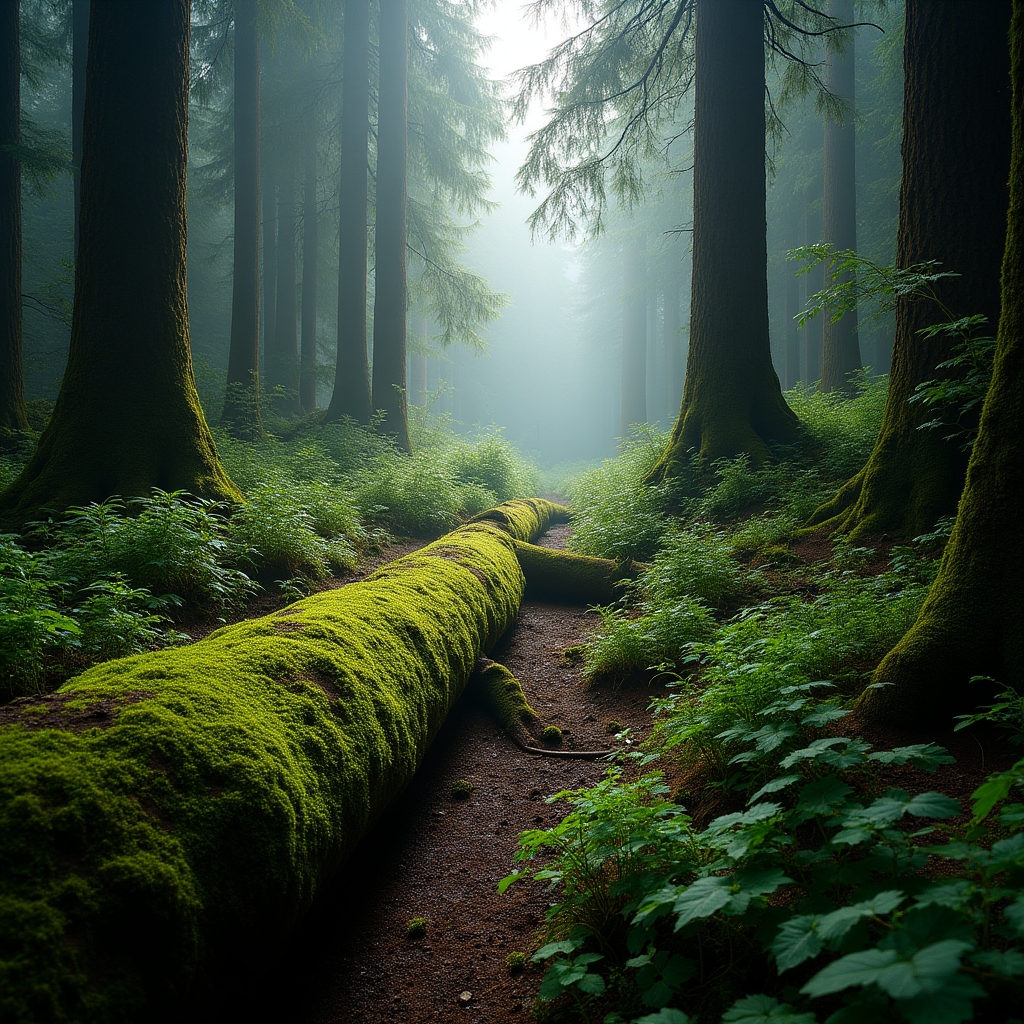
Dense evergreen forest floor in the Pacific Northwest with understory foraging plants

Pacific Northwest

Damp coniferous forests, mossy understories and a long mushroom season shape the identification lessons for this region.

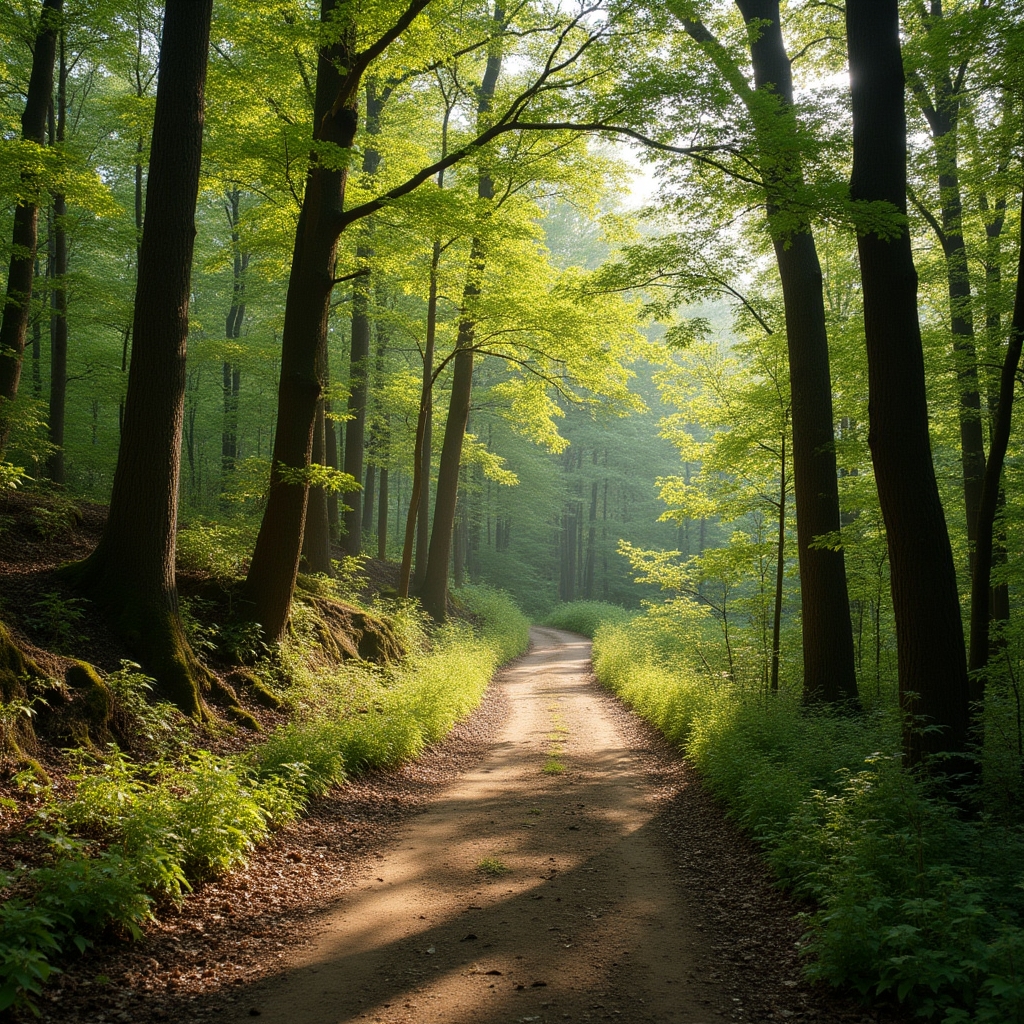
Winding wooded trail through Appalachian hardwood forest used for foraging study

Appalachian Woodlands

Deciduous forests with a strong spring greens season and a long tradition of foraging knowledge passed between generations.

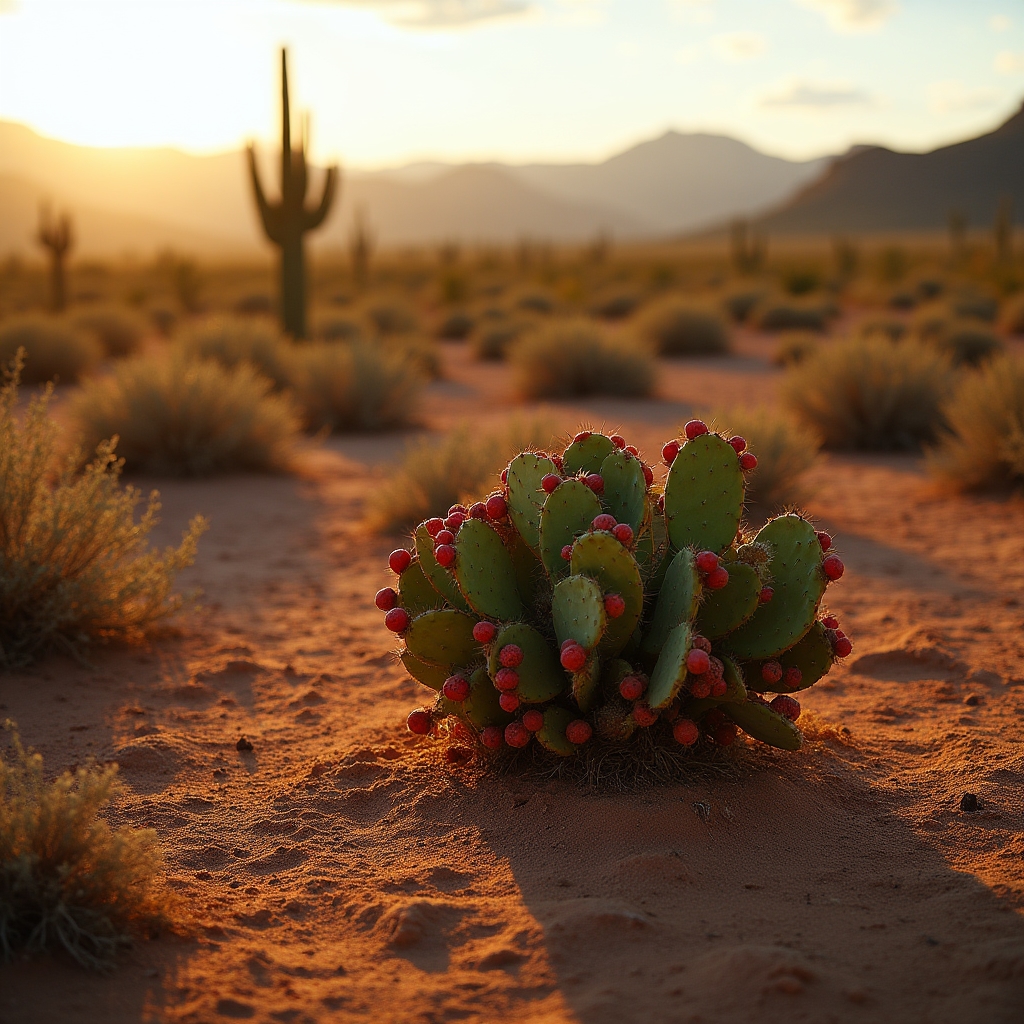
Arid desert landscape in the Southwest with drought-adapted edible plants

Desert Southwest

Arid-adapted plants, cactus fruit and mesquite pods require different timing and handling than wetter regions.

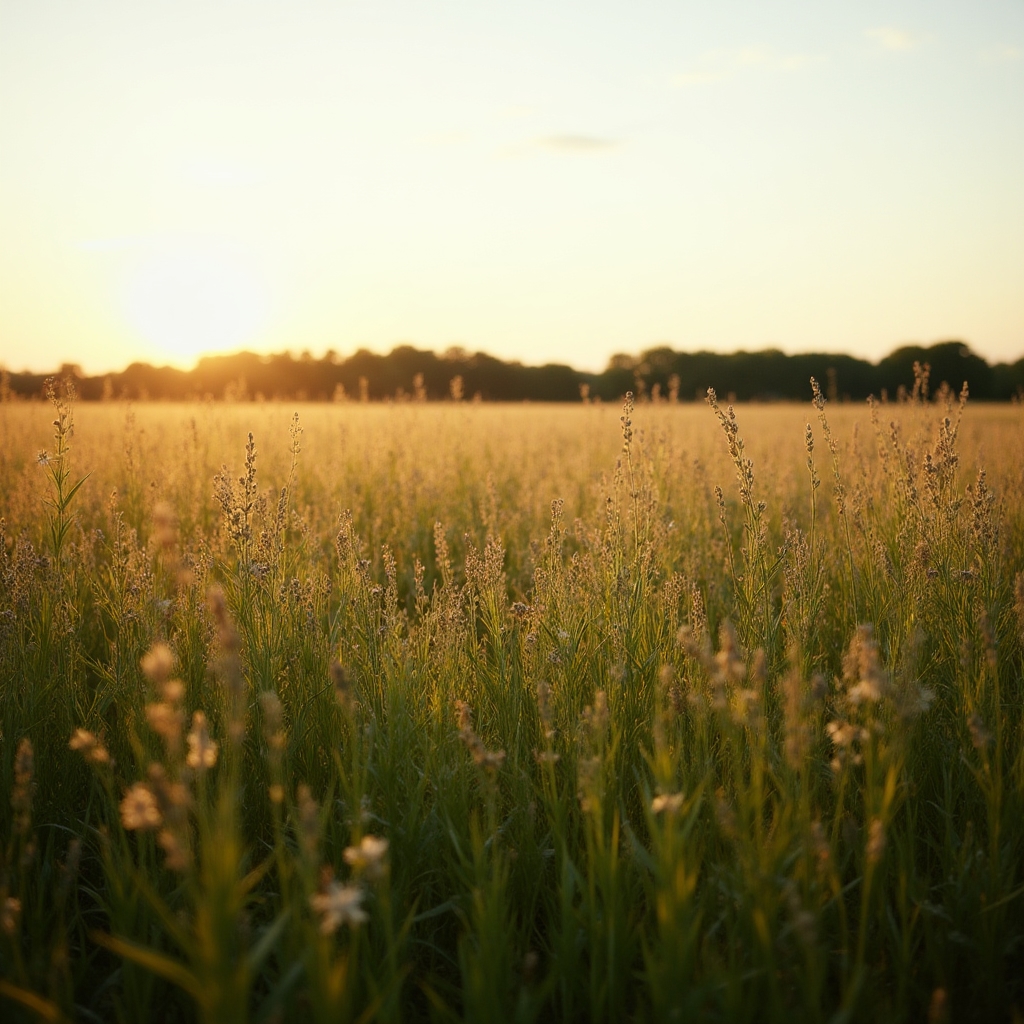
Open Midwest prairie grassland with scattered wild edible plants

Midwest Prairie

Open grassland and field-edge foraging, with attention to agricultural runoff and roadside contamination risk.

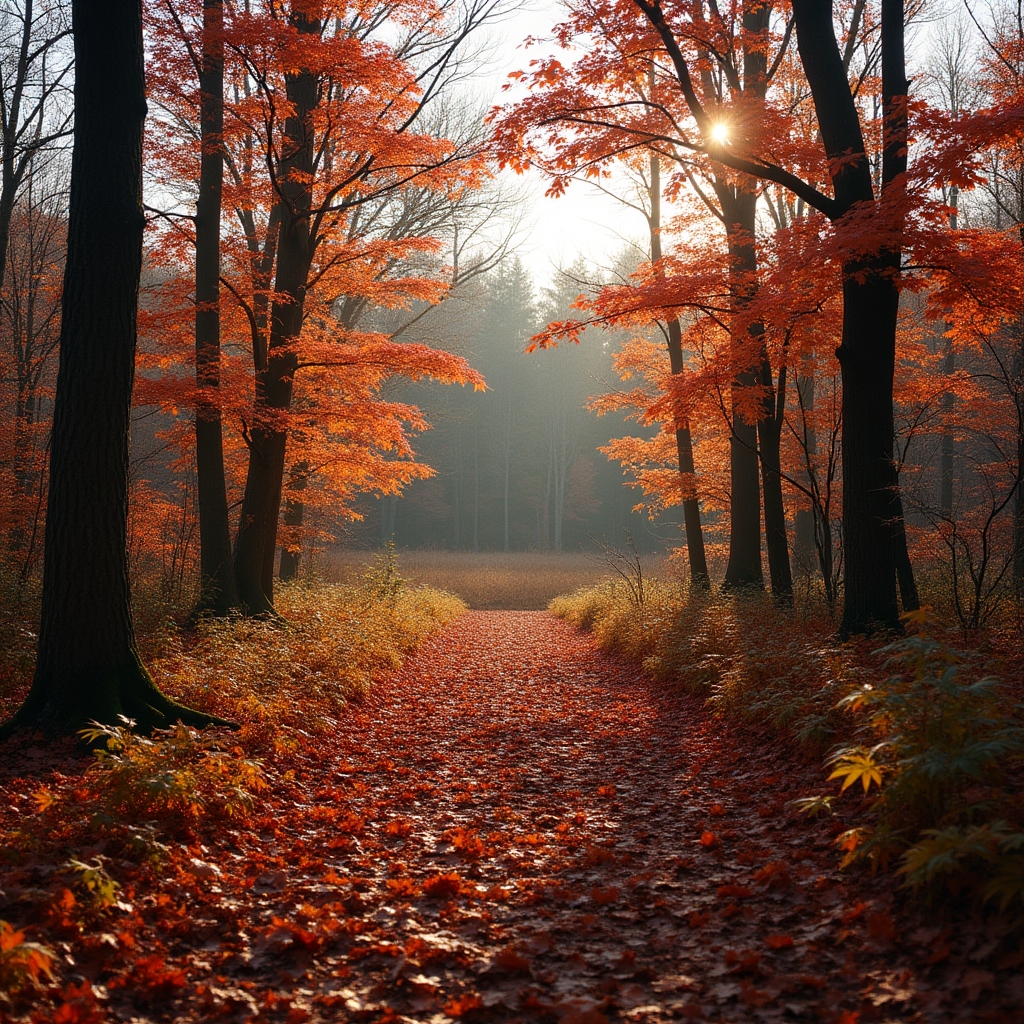
Northeastern forest in autumn with colorful foliage during foraging season

Northeast

Distinct four-season cycles with a well-known nut and mushroom autumn, and a short but active early spring window.

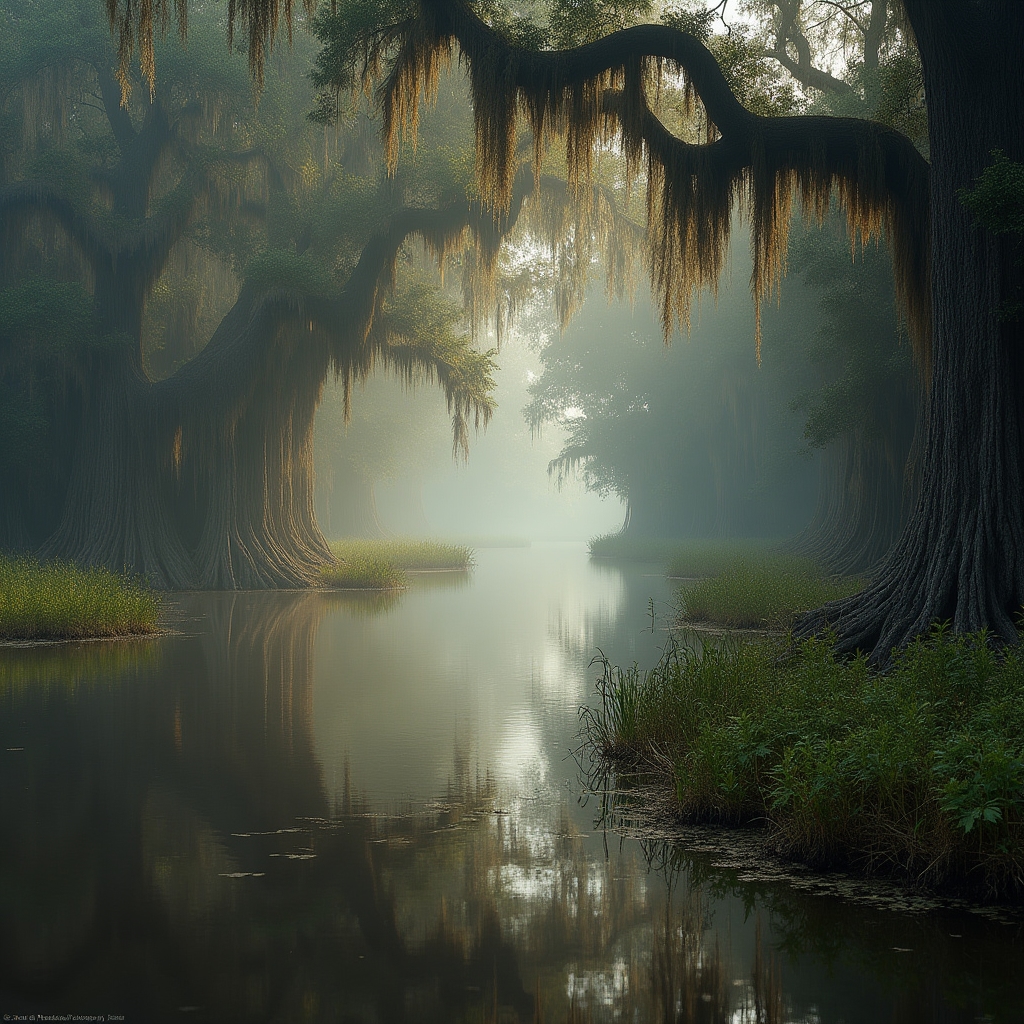
Humid Southeastern wetland with edible aquatic and marsh plants

Southeast Wetlands

Humid lowlands and marsh edges bring their own identification challenges, plus year-round growing seasons for several species.

The Library at a Glance

0 US regions covered
0 Core lesson tracks
0 Seasonal harvest windows
0 Preservation techniques taught
Person reviewing a printed field guide with plant photographs at a home desk

Safety Sits Above Every Lesson

Foraging content is organized around a simple rule: identification confidence must come before harvesting, and harvesting must come before eating anything. Lessons repeatedly walk through toxic look-alikes, contamination sources like roadside runoff or pesticide drift, and the allergy and sensitivity testing steps that responsible foragers use before eating a new food in quantity.

This resource does not offer certification and does not claim to replace supervised, in-person botanical training. It is written as a structured starting point for people who want to build careful habits from the very first walk into the woods.

Read Our Full Approach
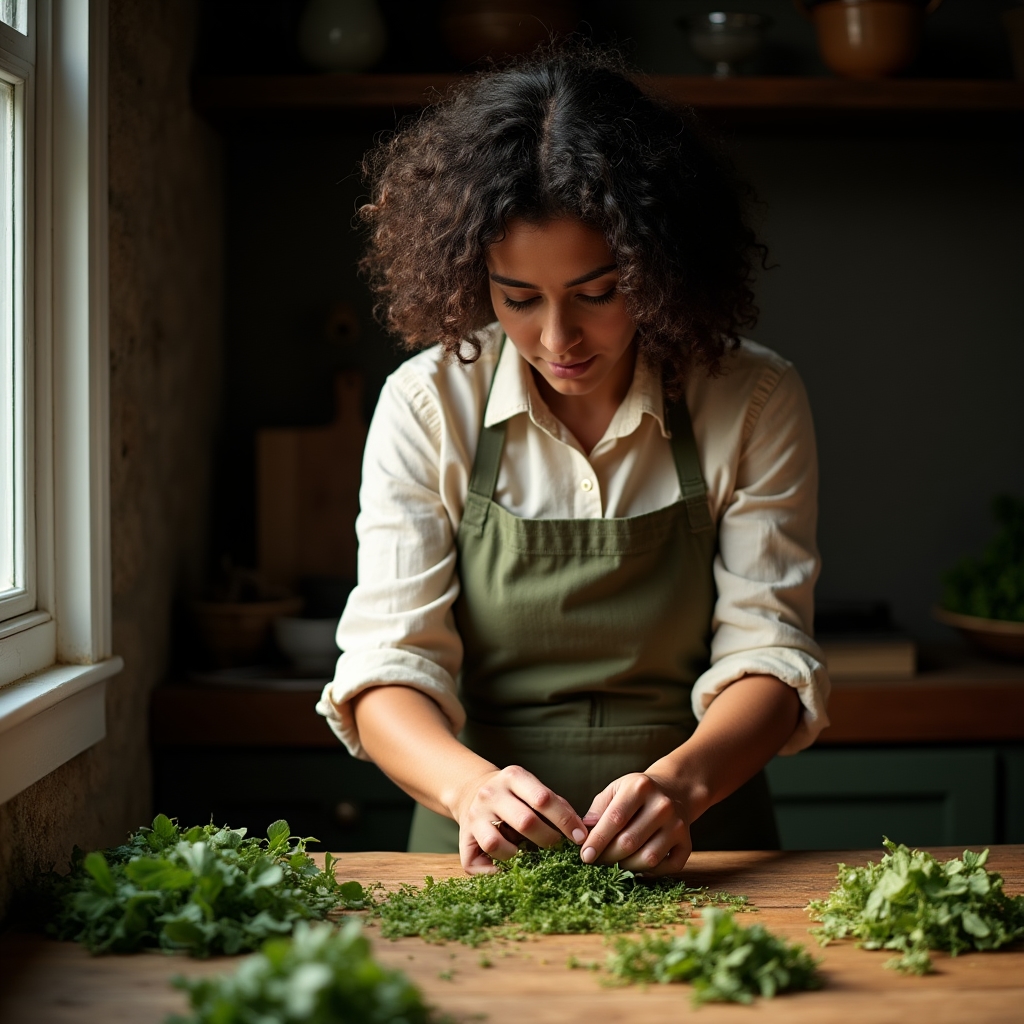
Hands sorting freshly harvested wild greens on a wooden kitchen table

From Basket to Kitchen

Sorting, cleaning and a first round of visual inspection happen before anything touches a cutting board. Lessons cover the small habits that catch mistakes early.

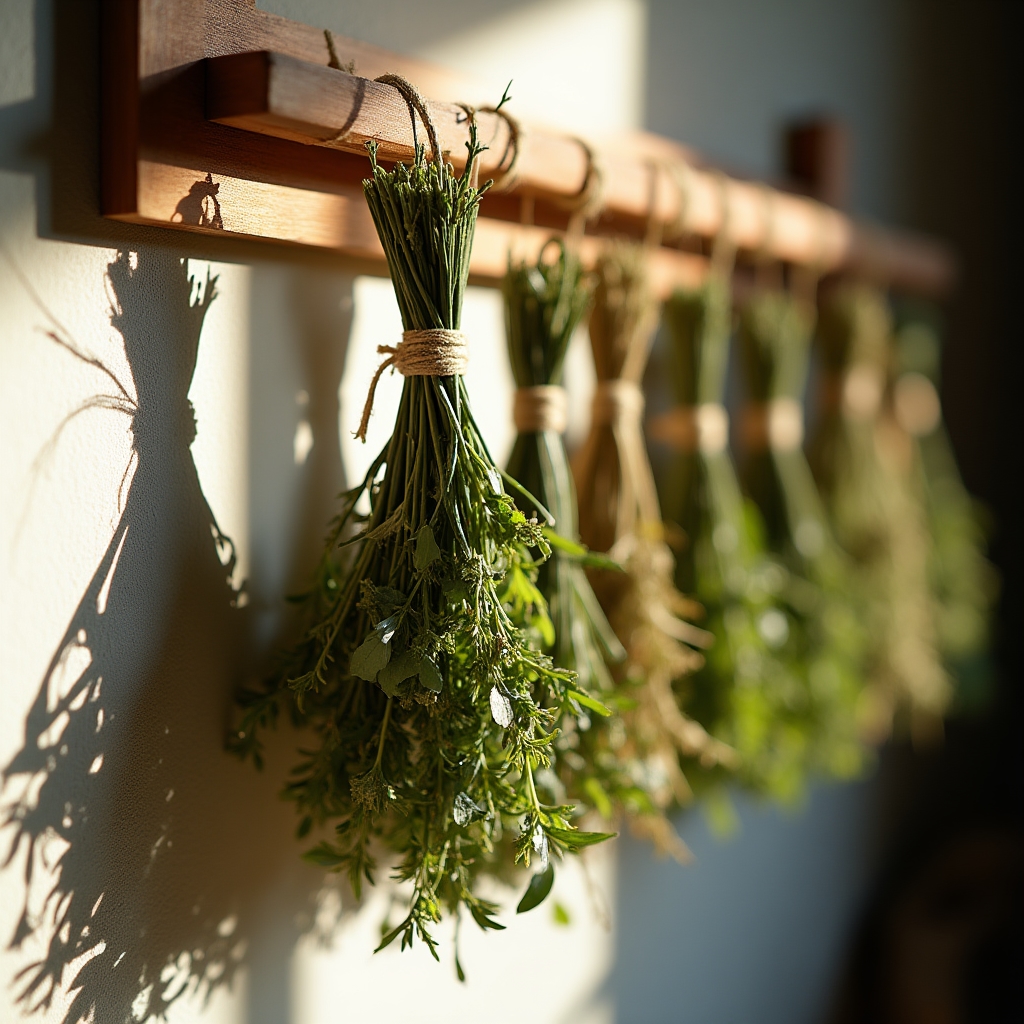
Bundles of foraged herbs hanging to dry on a wooden rack for preservation

Preserving What You Gather

Air drying, freezing and short-term infusions covered with attention to moisture control, labeling and safe storage windows.

Questions About the Curriculum

General questions about lesson content, regional coverage or how the library is organized are welcome by phone or email.

Office Address

3340 Peachtree Rd NE
Tower 100
Atlanta, GA