Self-Paced Access
Lessons are written material, not scheduled live sessions. There is no fixed start date and no cohort to keep up with. Material can be read in any order, though the identification-first structure is recommended.
How the lesson library is structured, how content is added region by region, and what format it comes in.
Lessons are written material, not scheduled live sessions. There is no fixed start date and no cohort to keep up with. Material can be read in any order, though the identification-first structure is recommended.
Content is delivered as written guides, reference notes and printable safety checklists rather than video courses, so it can be reviewed slowly and referenced again in the field.
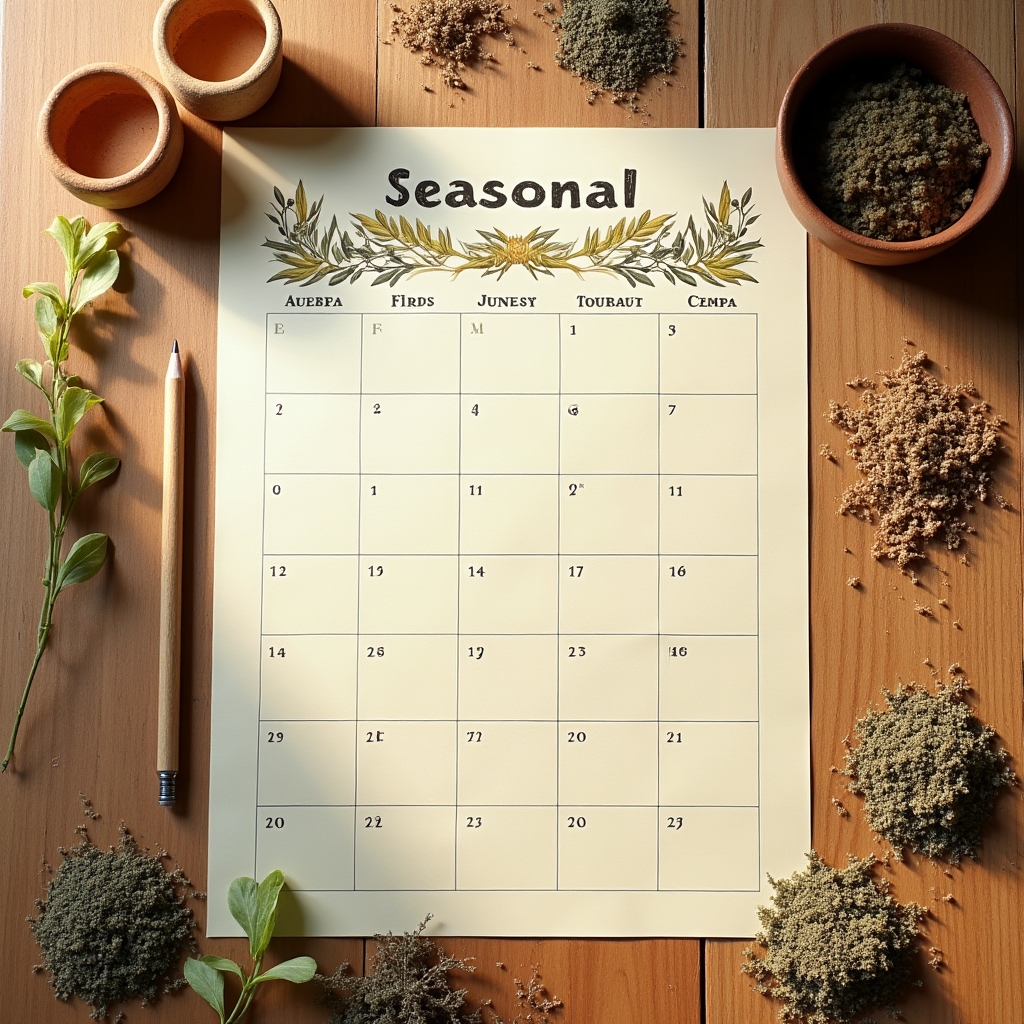
Seasonal calendars and safety checklists are formatted so they can be printed and carried along on a walk, separate from a phone screen.
This resource does not issue certificates or credentials of any kind. It is general education, intended to support careful independent learning.
General seasonal patterns used to organize lesson content. Actual timing varies by local climate and should always be checked against current conditions.
| Season | Typical Focus | Example Regions |
|---|---|---|
| Early Spring | Young shoots, early greens, tree sap where applicable | Appalachian Woodlands, Northeast |
| Late Spring | Flowering plants, early berries, root vegetables | Midwest Prairie, Pacific Northwest |
| Summer | Berries, aromatic herbs, some flowering greens | Southeast Wetlands, Northeast |
| Fall | Nuts, seeds, roots, select mushroom varieties | Pacific Northwest, Appalachian Woodlands |
| Winter | Bark and evergreen identification practice, planning ahead | Northeast, Desert Southwest |
New regional material is developed one area at a time rather than all at once, so that each guide reflects the specific plant communities and terrain of that region instead of a generalized national overview. Existing guides are reviewed periodically as seasonal notes are refined.
There is no promotional schedule or countdown attached to new releases. Anyone checking back will simply find the library as it currently stands, updated when new regional or seasonal content is ready.