Our Approach
A structured way of teaching plant identification, ethical harvesting, preparation and preservation, ordered so that caution always comes before consumption.
Four Stages, Always in Order
Every regional guide on this site follows the same internal logic. First comes identification: multiple physical traits, habitat notes and seasonal timing checked together. Only after a plant can be identified with real confidence does a lesson move into harvesting practices. Preparation and preservation come last, because they only matter once the first two stages have been handled with care.
This order is not a formality. Most foraging mistakes happen when someone skips ahead, usually from identification straight to eating, without pausing on harvesting ethics or preparation safety in between.
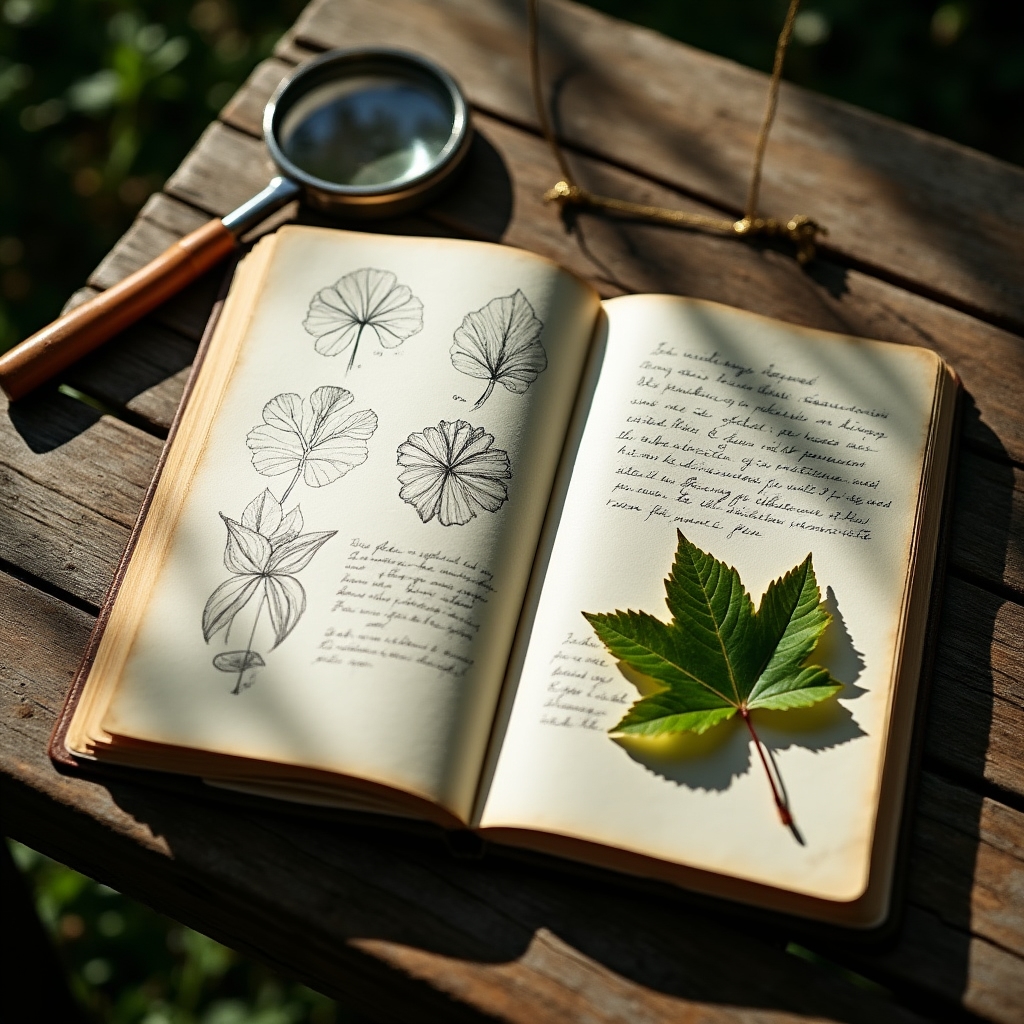
Plant Identification
Identification lessons are built around cross-checking, not memorization of a single photo. A leaf shape alone rarely settles the question. Growth habit, bark or stem texture, bloom or fruiting timing, and habitat all get weighed together, because toxic look-alikes are common and often close enough in appearance to fool a quick glance.
Multiple Confirmed Traits
Lessons ask for at least several matching physical characteristics before treating an identification as reliable, never just one.
Look-Alike Awareness
Known toxic look-alikes are shown alongside the edible species they resemble, with the specific differences called out clearly.
Seasonal Appearance
The same plant can look different in early spring versus late summer. Guides note how appearance shifts through the growing season.
Cross-Reference Habit
Lessons encourage checking an identification against at least one additional independent source before moving forward, every time.
Ethical Harvesting Practices
Once a plant is identified with confidence, the next question is whether and how much to harvest. Ethical harvesting protects the plant population, respects land ownership, and keeps foraging viable for the next person who visits the same spot.
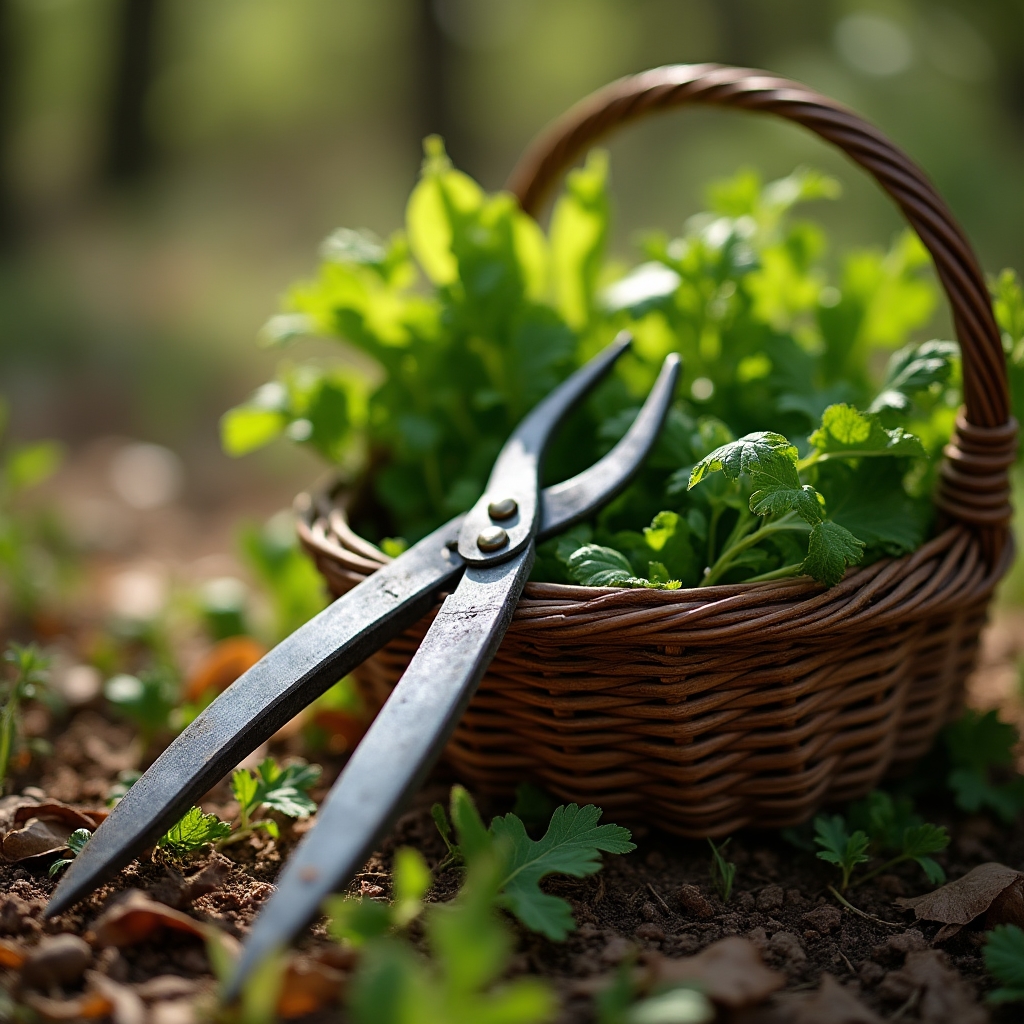
- Take only a small portion of any patch, leaving enough for regrowth and for wildlife that also relies on it.
- Confirm land status first. Public land rules vary widely and private land always requires permission.
- Use clean cuts instead of pulling roots, when the plant part harvested allows it.
- Avoid harvesting near roadsides, industrial sites or areas with known pesticide or herbicide use.
- Skip rare, slow-growing or locally scarce species entirely, even where harvesting them is technically allowed.
Preparation Methods
Preparation lessons focus on the handling steps that turn a wild plant into something reasonable to eat: cleaning off soil and insects, sorting out damaged material, and applying the specific cooking or processing method a species needs. Some plants are only safe after cooking. Others need soaking, blanching or a first small taste test before eating a full portion.
Cleaning & Sorting
Rinsing methods and a visual check for damaged or diseased plant material before anything reaches the kitchen.
Cooking Requirements
Notes on which foraged ingredients require heat, soaking or other processing before they are considered edible.
Basic Preservation
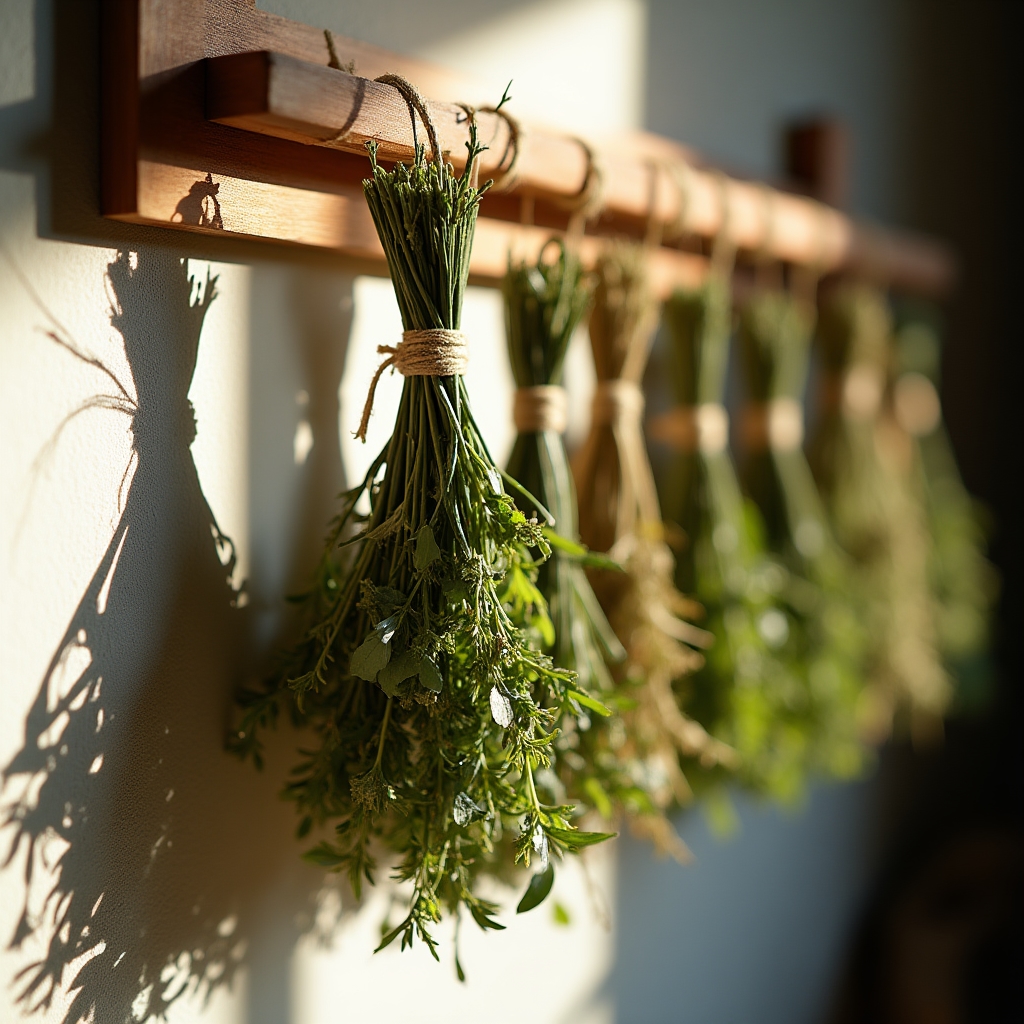
Preservation lessons stay intentionally simple: air drying, freezing and short infusions. These are approachable methods for extending the life of a small home harvest, paired with storage guidance that reduces the risk of mold, spoilage or mislabeling later on.
A Note on Scope
Huxayu Vecelu provides general, educational content. It does not offer botanical science certification, professional identification services, or personalized guidance for a specific plant, location or individual. Anyone learning to forage is encouraged to verify identifications through multiple independent sources and to proceed with caution, particularly with any plant family known to include toxic members.